
November 2, 2026 Deadline: Banks, Telcos, and Hospitals Must Stop Photocopying Ghana Cards Biometric : Verification Takes Centre Stage
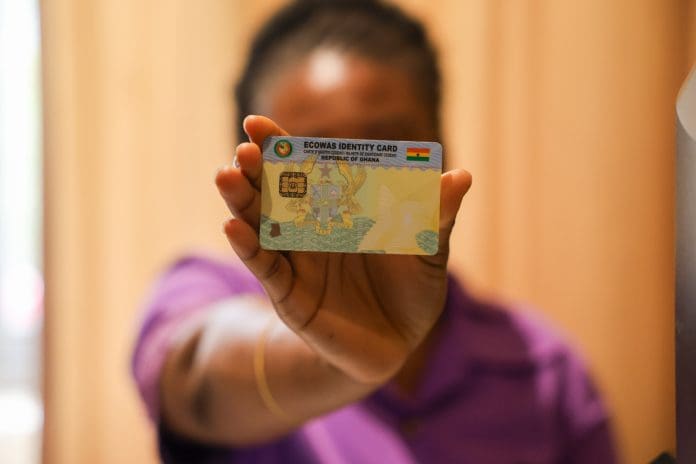
Graphic Online has highlighted a critical update in Ghana’s national identification system: Institutions such as banks, telecommunications companies (telcos), and hospitals have until November 2, 2026, to fully transition away from photocopying Ghana Cards for identity verification. This aligns with the government’s push for mandatory biometric authentication to enhance security and protect personal data.

Why End Photocopying?
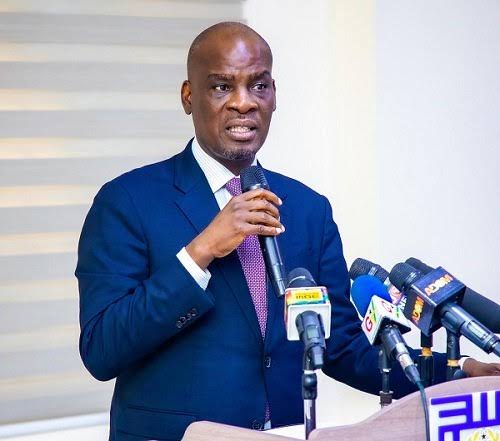
The Interior Minister, Muntaka Mohammed-Mubarak, and the National Identification Authority (NIA) have made it clear: Only biometric verification can reliably authenticate Ghana Card holders. Visual inspection and physical copies are no longer sufficient under the new National Identity Register (Amendment) Regulations, 2026 (L.I. 2523).
Key Reasons for the Change:
- Prevent identity theft and fraud.
- Protect sensitive personal information from misuse.
- Ensure the person presenting the card is the rightful owner.
- Modernize verification processes in line with global digital identity standards.
Institutions are prohibited from requesting, scanning, or retaining copies of the Ghana Card except where explicitly allowed by law. Where biometric systems are available, individuals may not even need to present the physical card.
Who is Affected and What Must They Do?
The directive primarily targets high-volume identity verification sectors:
- Banks and Financial Institutions (account opening, loans, transactions).
- Telcos (SIM registration and services).
- Hospitals and Healthcare Providers (patient registration and insurance).
- Other organizations handling official transactions listed under relevant regulations.
Transition Period: July 27 to November 2, 2026, for installing biometric devices, staff training, and system integration. The NIA is providing technical specifications and support.
After the deadline, non-compliance could result in fines, suspension of access to the NIA verification system, or other penalties.
Benefits of the Biometric Shift
- Stronger Security: Real-time matching against the national database minimizes forgery.
- Convenience: Faster, paperless processes in many cases.
- Data Protection: Reduced circulation of physical copies lowers breach risks.
- Efficiency: Supports Ghana’s digital economy goals.
This builds on the Ghana Card’s growing role in everyday life from banking and travel to healthcare and government services.
Challenges on the Horizon
- Infrastructure Readiness: Smaller institutions and rural areas may struggle with device acquisition and connectivity.
- Public Awareness: Citizens need education on the new rules and how to handle verification.
- Equity Concerns: Ensuring no one is excluded due to technical or accessibility issues.
- Enforcement: The NIA’s compliance team will play a key role alongside law enforcement.
What Should Individuals Do?
- Insist on Biometric Verification when asked to present your Ghana Card.
- Report Violations: Unauthorized photocopying or non-compliant practices should be reported to the NIA.
- Stay Prepared: Carry your physical card where needed, but expect more digital options.
A Milestone for Ghana’s Digital Identity
The November 2 deadline marks a decisive step in securing Ghana’s national ID ecosystem. By prioritizing biometrics over traditional methods, the government is reducing vulnerabilities while positioning the Ghana Card as a robust, future-ready tool.
As the transition period begins, institutions and citizens alike must prepare for this new era of identity verification. The long-term payoff greater security, efficiency, and trust will benefit everyone.
About The Author