
Government to Tackle Shortage of Arabic Teachers in Ghana Education
In a significant development for Ghana’s education sector, the government has announced plans to recruit 50 Arabic teachers by the end of July 2026, with an additional 500 permanent positions slated for January 2027 through the Ghana Education Service (GES). This initiative aims to address the critical staffing shortages plaguing Islamic schools nationwide.
The Announcement: Details from the Meeting
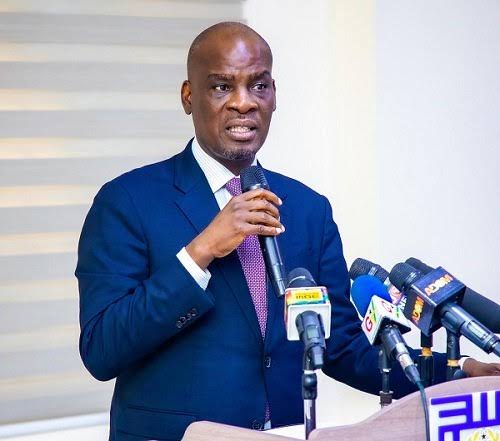
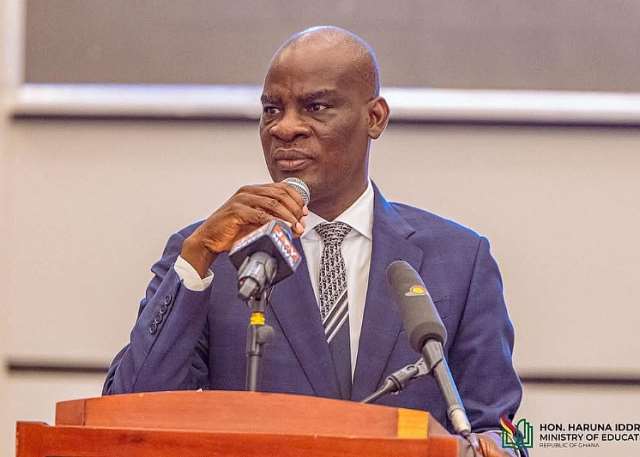
Minister of Education Haruna Iddrisu made the disclosure during a high-level meeting in Accra with a delegation from the Conference of Regional Chief Imams. The delegation, led by Chairman Sheikh Abdul Rashid Iddi, included representatives from various Muslim bodies such as the Ahlussunna Wal-Jama’a, Ghana Muslim Mission, the Islamic Education Unit, and officials from the Office of the National Chief Imam, Sheikh Dr. Osman Nuhu Sharubutu.
The visit was prompted by concerns over the growing shortage of qualified Arabic instructors and its impact on the quality of Islamic education. General Manager of the Islamic Education Unit, Abdul Karim Bapuni, highlighted the scale of the problem: Ghana has 1,299 Islamic basic schools but needs approximately 3,033 Arabic teachers to meet demand. Currently, only 706 are on the government payroll, leaving a staggering deficit of around 2,327–2,512 teachers.
Other challenges mentioned include:
- Lack of a standardized Arabic curriculum and textbooks at the primary level.
- Inadequate resources for monitoring and supervision.
- Poor office infrastructure for the Islamic Education Unit.
Minister Iddrisu reassured the delegation of the government’s commitment to collaborating with Muslim leaders to improve access to quality Islamic education and learning outcomes.
Historical and Cultural Context of Arabic and Islamic Education in Ghana
Arabic has deep roots in Ghana, dating back to the arrival of Islam in the region as early as the 10th century, primarily through trade routes in the northern parts of the country. Traditional Quranic schools (makaranta) have long served as centers for religious instruction, focusing on the Quran, Hadith, and Islamic jurisprudence.
Colonial-era policies often marginalized Islamic education, with limited support for Arabic studies and suspicion toward Muslim institutions. Post-independence governments began integrating secular subjects with Islamic learning, leading to the establishment of the Islamic Education Unit (IEU) under the Ghana Education Service in 1987. This unit oversees Islamic schools that combine religious education with the national curriculum.
Today, Muslims make up approximately 19.9% of Ghana’s population (around 6.1–6.7 million people as of recent estimates), with higher concentrations in the Northern, Upper East, and Upper West regions. Arabic remains essential not only for religious practice but also for cultural preservation and broader educational outcomes in these communities.
Why This Recruitment Matters
The shortage of Arabic teachers has direct consequences:
- Quality of Instruction: Many schools rely on underqualified or overburdened staff, affecting students’ mastery of Arabic and Islamic studies.
- Access and Equity: Islamic schools often serve vulnerable and rural populations; strengthening them promotes inclusive education.
- Broader Benefits: Proficiency in Arabic opens doors to scholarship, trade with Arab-speaking countries, diplomacy, and religious leadership. It also supports Ghana’s multicultural fabric and interfaith harmony.
This recruitment builds on prior efforts, including earlier announcements of thousands of Arabic teachers under programs like the Youth Employment Agency (YEA) modules.
Potential Impact and Broader Education Reforms
This move aligns with ongoing education reforms in Ghana, which emphasize:
- Curriculum standardization.
- Teacher professional development.
- Integration of local and international languages.
By addressing staffing gaps, the government can help improve BECE and WASSCE performance in Islamic schools, reduce dropout rates, and empower Muslim youth.
Challenges remain, such as:
- Attracting and retaining qualified teachers in rural areas.
- Developing standardized materials.
- Ensuring sustainable funding for the Islamic Education Unit.
Stakeholders hope this initial recruitment is just the beginning of a comprehensive strategy.
About The Author