
First 10,000 Recruits Begin Training – Ghana’s Security Services
In a significant step toward strengthening Ghana’s internal security architecture, Interior Minister Muntaka Mohammed-Mubarak has announced that the first batch of 10,000 successful applicants has commenced training across the country’s key security agencies.

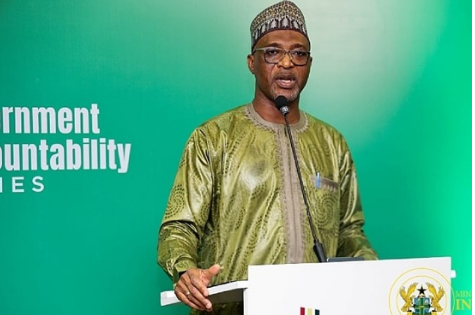
Speaking at the Government Accountability Series in Accra on Monday, August 24, 2026, the minister revealed that these recruits are now undergoing intensive training for the Ghana Police Service, Ghana National Fire Service, Ghana Prisons Service, and Ghana Immigration Service (GIS). A second batch of another 10,000 will be drawn from the existing pool of successful applicants and begin training next year.
This structured intake forms part of broader government efforts to address personnel shortfalls, enhance operational capacity, and improve public safety amid evolving security challenges.
Background to the Massive Recruitment Drive
The current exercise traces its roots to late 2025, when the Ministry of the Interior launched a centralized e-recruitment portal for applications into the internal security services. The process emphasized merit, transparency, and fairness, with the minister repeatedly assuring the public that no political intermediaries or middlemen would influence placements and warning against recruitment scams.
Initial projections were more modest, but President John Dramani Mahama directed an expansion of the overall target from 20,000 to 40,000 recruits over four years effectively aiming for about 10,000 personnel annually. This move was intended both to create employment opportunities for young Ghanaians and to reinforce the nation’s security agencies.
Hundreds of thousands of applications were received (figures varied in early reports due to multiple submissions across services, later clarified around the 280,000 range in some accounts). Applicants progressed through documentation checks, aptitude tests (with a competitive pass mark), and rigorous medical screenings. The scale of interest highlighted both the demand for public-sector jobs and the competitive nature of entry into these services.
Training Underway Across Multiple Institutions
According to the minister, all 10,000 in the first batch are now “in school.” Police training facilities across six schools are at capacity, while the Prisons Service, Fire Service, and Immigration Service have also absorbed their respective contingents. Training is expected to last approximately six months and covers tactical, operational, and professional skills needed for law enforcement, border management, fire safety, and correctional services.
Upon successful completion and pass-out, these personnel will help reduce operational deficits and expand the footprint of security services nationwide.
Medical Screening, Transparency, and Related Challenges
The recruitment process included strict medical evaluations to ensure physical and mental fitness. Minister Muntaka has previously disclosed that roughly 1,300 applicants tested positive for HIV during screening, while over 6,000 others were disqualified due to traces of illicit drugs or other medical issues.
To balance transparency with sensitivity, disqualified applicants were not automatically sent detailed medical results particularly for conditions such as HIV due to concerns about emotional distress. Instead, they received contact details so they could seek clarification, counselling, and information if desired. The minister noted that some identified conditions are treatable and encouraged affected individuals to pursue care, which could improve their prospects in future exercises.
In a related development shared during the same Accountability Series session, some recruits who passed initial medicals later became pregnant and were required to leave training, as pregnancy is incompatible with the physical demands of the programme. Authentication of documentation and health status continues given the large numbers involved.
These measures underscore the government’s insistence on maintaining high standards of fitness and integrity while attempting to handle sensitive health information responsibly. Ghana’s AIDS Commission and related groups have separately emphasized anti-discrimination principles and the importance of proper counselling and confirmatory testing protocols under national guidelines.
Broader Context and Government Priorities
The recruitment update formed part of a wider briefing in which the minister outlined other security achievements, including progress on election-related prosecutions, repatriation of migrant beggars, and narcotics interdiction efforts. The emphasis remains on professionalizing the services, combating vigilantism, and delivering visible improvements in public safety.
For the thousands of young people who applied, the ongoing process offers a pathway into stable careers in national service. For the government, it represents a tangible delivery on promises to expand opportunities while rebuilding capacity after years of reported understaffing in critical agencies.
As the first cohort progresses through training, attention will turn to their eventual deployment and the selection of the next 10,000. Success will depend not only on the numbers enrolled but on the quality of training, ongoing professional development, and the ability of the expanded ranks to meet Ghana’s security needs effectively and accountably.
This development marks a concrete milestone in the current administration’s security and employment agenda. Further updates on pass-out ceremonies and subsequent intakes are expected in the coming months.
About The Author