
Mahama’s Bold Pledge: No SHS Student on Double Track by 2027
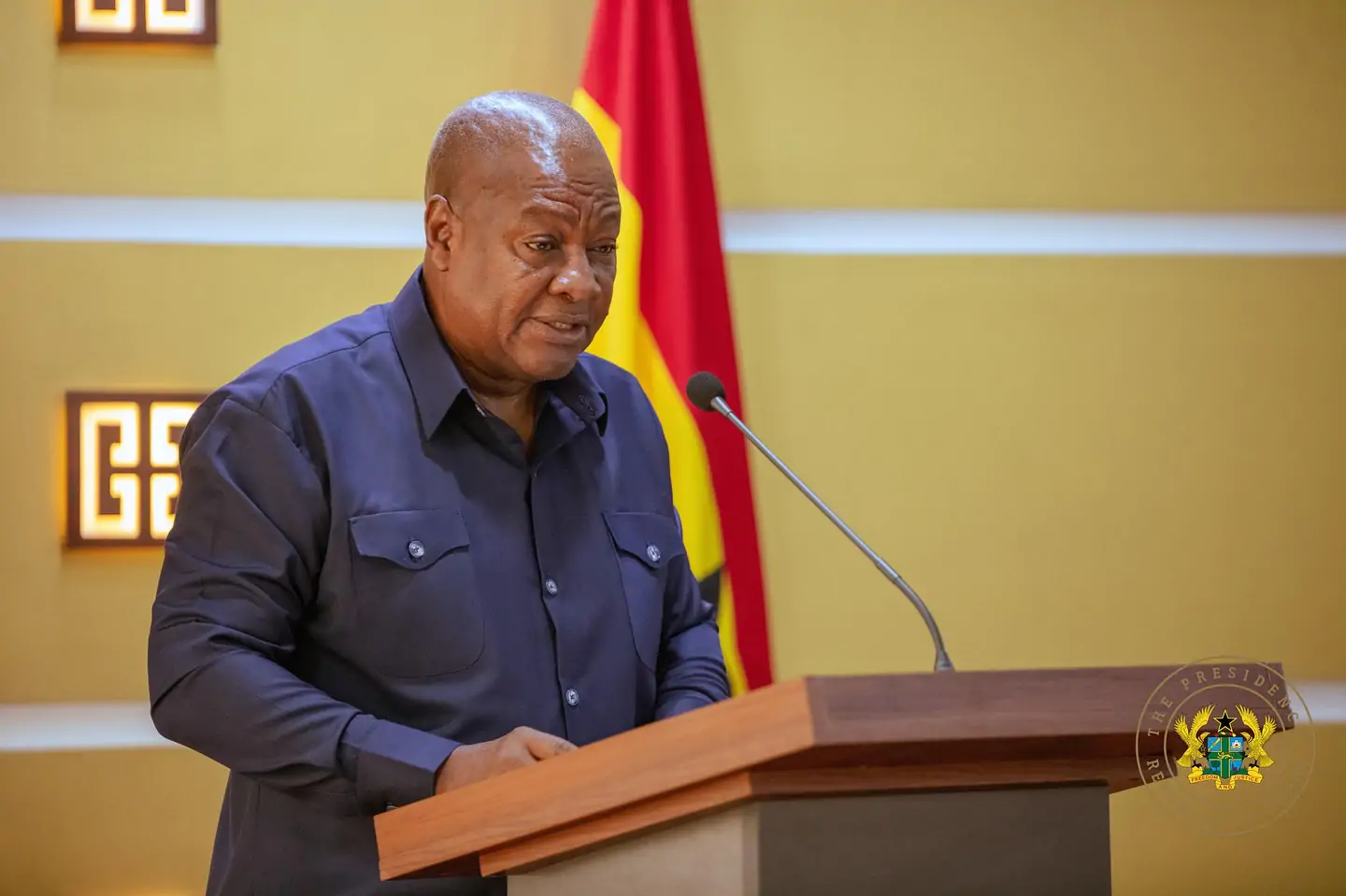
In a significant boost to Ghana’s education sector, President John Dramani Mahama has reaffirmed his government’s commitment to fully eliminating the controversial Double Track System in Senior High Schools (SHS) by 2027. The announcement underscores ongoing efforts to address infrastructure deficits stemming from the hugely popular but capacity-straining Free Senior High School (Free SHS) policy.
- UCC Regular Undergraduate Admissions 2026/2027 Officially Open
- UCC Masters (Postgraduate) Admissions 2026/2027 is fully Open
Understanding the Double Track System
Introduced in 2018 under the previous administration, the Double Track (or “Gold and Green Track”) system was a pragmatic response to the massive surge in SHS enrolment following the launch of Free SHS in 2017. Enrolment jumped by over 30%, overwhelming existing facilities.
Under the system:
- Students are divided into two cohorts.
- One group attends classes while the other is on break (typically rotating every few months).
- This maximized the use of limited classrooms, dormitories, and dining facilities but reduced contact hours between teachers and students, disrupted learning continuity, and posed challenges for families and educators.
While it prevented outright exclusion of qualified students, the system has long been criticized for compromising educational quality.
The 2027 Deadline: Mahama’s Vision and the STARR-J Project
President Mahama made the pledge during the commissioning of a PET Scan facility at the Swedish Ghana Medical Centre in Accra in May 2026. He announced that the government has secured a US$300 million World Bank facility under the Transformative Secondary Education for Access, Results and Relevance for Jobs (STARR-J) project.
Key components of the initiative:
- Upgrading 50 SHSs: 30 Category C schools to Category B status, and 20 Category B schools to Category A.
- Infrastructure Expansion: New dormitories, lecture halls, dining facilities, and auditoriums to increase capacity.
- Equity and Quality Focus: Promoting inclusive access, better learning outcomes, and alignment with job market skills (including digital literacy and AI integration for teachers).
The World Bank formally approved the $300 million package in June 2026, providing strong international backing for the government’s timeline. Additional support includes GH¢1 billion from GETFund for completing stalled projects.
By 2027, the goal is clear: “No secondary school implementing a double track system in Ghana.” This would allow all students to attend school simultaneously, increasing teacher-student contact time and enabling better preparation for exams and holistic development.
- Scholarship Opportunities from Ghana Scholarship Secretariat
- GETFund Extends 2026/27 Scholarship | Apply Now
Complementary Strategies
The administration is not relying solely on upgrades:
- Community Day Senior High Schools: Construction in urban and peri-urban areas to ease pressure on boarding facilities and improve access for day students.
- TVET Expansion: Building more technical and vocational institutions so students interested in hands-on skills can pursue that path directly, reducing pressure on traditional SHS.
- Teacher Support: More rest and preparation time for educators once the rotation ends.
These efforts tie into broader Free SHS improvements, including substantial GETFund allocations for feeding and logistics.
Impacts and Challenges
Potential Benefits:
- Improved Learning Outcomes: Full-year schooling could boost academic performance and reduce learning loss.
- Equity Gains: Better facilities in lower-category schools help bridge urban-rural and quality gaps.
- Student and Teacher Well-being: Consistent schedules benefit mental health, family planning, and professional development.
- Long-term Economic Impact: A stronger secondary education system better prepares youth for jobs and national development.
Remaining Hurdles:
- Implementation Speed: Delivering upgrades across 50 schools within the timeline requires efficient execution.
- Funding Sustainability: Beyond the World Bank loan, ongoing maintenance and expansion will need domestic resources.
- Teacher Shortages: Complementary recruitment drives (e.g., recent clearances for thousands of teachers) are essential.
- Monitoring and Accountability: Ensuring funds translate into tangible improvements on the ground.
Critics may question feasibility given past infrastructure delays, but the secured international financing and focused project design provide a credible pathway.
About The Author