
Mahama’s Promise to Unemployed Teachers: Clearance for 16,000 New Recruits to Transform Ghana’s Education
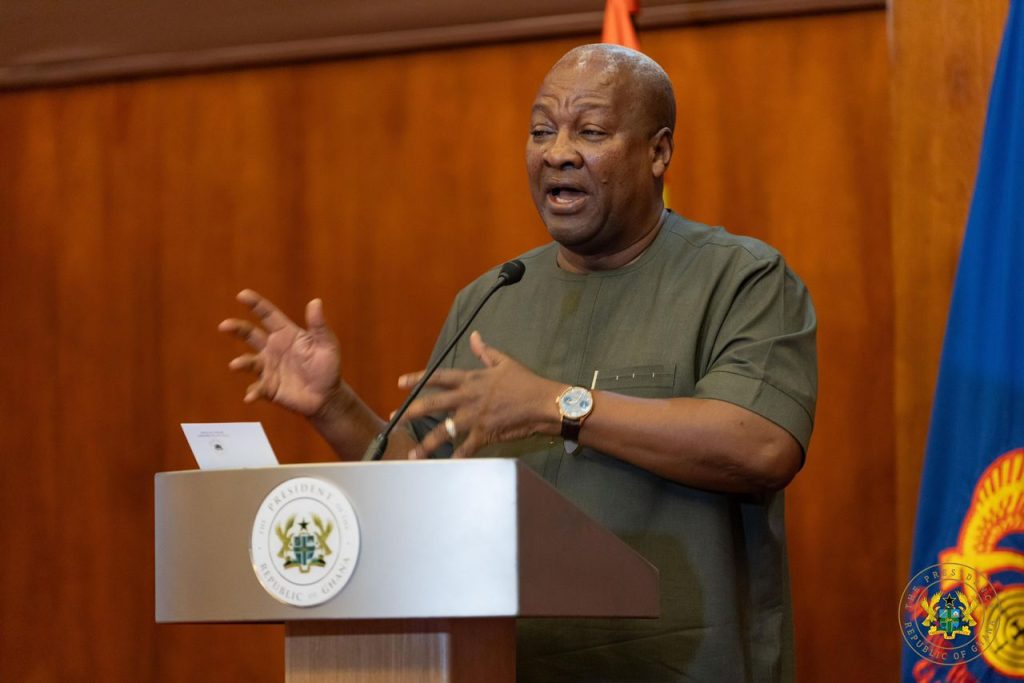
On July 17, 2026, President John Dramani Mahama delivered welcome news to thousands of newly trained but unemployed teachers across Ghana. Speaking at the Peki College of Education in the Volta Region, the President announced that his administration has initiated the process of granting financial clearance to the Ministry of Education for the recruitment of at least 16,000 trained teachers.
This announcement comes amid ongoing concerns about teacher shortages, youth unemployment, and the quality of education in Ghana.

The Announcement in Detail
President Mahama described the move as a deliberate effort to clear the persistent backlog of graduate teachers awaiting formal employment. He emphasized that it is “unacceptable” for trained professionals to languish at home after completing their studies.
Key points from the President’s address:
- The recruitment aims to streamline the transition from training institutions directly into classrooms.
- It forms part of a broader commitment to strengthening human resource capacity in educational institutions.
- Expanding the teaching workforce will provide livelihoods for the youth, reduce pressure on existing teachers, and improve the quality of basic and second-cycle education.
This latest clearance builds on earlier efforts by the Mahama administration. In May 2026, during May Day celebrations, the President announced clearance for 20,000 teachers and nurses combined to address graduate unemployment. Earlier in April, the Ministry of Education secured approval for 7,000 teachers, with priority for deprived areas.
Ghana’s Teacher Shortage Crisis
Education Minister Haruna Iddrisu has repeatedly highlighted a severe staffing deficit. Ghana needs between 50,000 and 90,000 additional teachers to meet current demands, yet budgetary constraints have limited recruitment numbers.
Challenges include:
- Uneven distribution: Acute shortages in rural and deprived communities, while some urban areas have surpluses.
- Subject-specific gaps: Particularly in STEM, Mathematics, ICT, French, and local languages.
- Attrition and multi-grade teaching: Teachers in cocoa-growing and underserved areas often handle multiple classes, affecting learning outcomes.
- Infrastructure deficits: Millions of pupils learning under trees or in temporary structures.
The government is responding with incentives such as:
- A 20% rural posting allowance.
- Reduced study leave eligibility (from 3 to 2 years) for teachers in deprived areas.
- The proposed Teacher Dabre Initiative for accommodation in rural communities.
Implications for Education and Youth Employment
Positive Impacts Expected:
- Improved Teacher-Student Ratios: Helping address overcrowding and multi-grade teaching.
- Youth Empowerment: Providing jobs for graduates from Colleges of Education (cohorts 2023–2025 and beyond).
- Quality Enhancement: More teachers mean better supervision, specialized instruction, and support for reforms in TVET and basic education.
- Equity Focus: Priority postings to underserved regions could narrow urban-rural divides.
Potential Challenges:
- Budgetary Sustainability: Recruiting thousands places pressure on public finances.
- Deployment Issues: Ensuring recruits actually accept and remain in rural postings.
- Training and Resources: New teachers need adequate classrooms, materials, and ongoing professional development.
- Transparency: Past recruitments have faced calls for open, competitive processes without middlemen.
About The Author