
Ban Social Media for Children Under 15 – NUGS
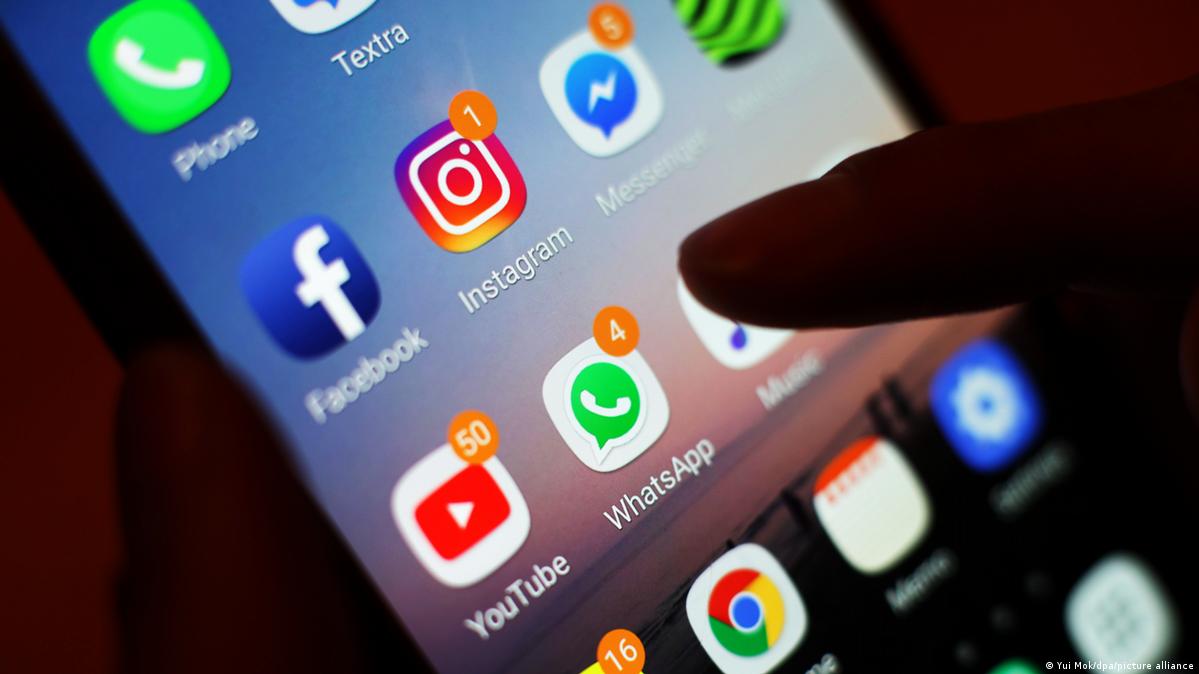
The President of the National Union of Ghana Students (NUGS), Rashid Ibrahim, has called for a ban on social media use by children under the age of 15 as a measure to curb rising indiscipline and support the moral development of young people.
Speaking at the fourth Muslim Leaders and Catholic Bishops Meeting Dialogue, themed “Addressing the Challenges of Rising Indiscipline in Our Schools: The Role of Faith-Based Organisations,” Mr Ibrahim argued that excessive and unregulated access to social media is exposing children to harmful behaviours that negatively shape their character and values.
Why the Call for a Ban?
According to the NUGS President, who is also a legal practitioner, Ghana should consider adopting measures similar to those already in place in countries such as Australia, France and Indonesia.
He believes restricting social media access at an early age would give parents and schools a better opportunity to guide children’s behaviour and instil positive values before they are heavily influenced by online content.
Mr Ibrahim also pointed to two other contributing factors to the growing indiscipline in schools:
- Inadequate parental supervision
- Weak monitoring systems within educational institutions
He stressed that children must understand that misconduct carries consequences and called for appropriate sanctions to be applied to juveniles who breach established rules and regulations.
Other Voices at the Dialogue
Several speakers at the event shared related concerns about the moral and disciplinary challenges facing Ghana’s youth.
Lucille Hewlett Annan, Commission Secretary of the National Commission for Civic Education (NCCE), urged parents to prioritise the upbringing and welfare of their children when making life decisions.
She noted that raising children demands significant financial, emotional and time commitments:
“Taking care of children requires money. It requires time, it requires a lot of resources, and it requires prayers.”
Dr Haruna Zagoon-Sayeed, Senior Lecturer and Lead Convener of the Department of Religious Studies at the University of Ghana, called for stronger government support for faith-based organisations to enhance moral and character education in schools.
He questioned how schools with large student populations could effectively provide moral guidance with limited numbers of chaplains:
“Imagine a school with 2,000 students and you have one chaplain who should be able to give the moral education that we expect. Children will not misbehave if they don’t see misbehaviour in their environment.”
Very Reverend Father Cosmos Ebo Sabah, an Associate Professor at the University of Ghana, argued that educators should be given greater authority and responsibility to enforce discipline. He observed that the education system has placed too much emphasis on academic achievement while giving insufficient attention to the moral formation of students.
Broader Context
The NUGS proposal comes amid growing public concern in Ghana about the impact of digital media on children. Earlier in 2026, Child Rights International (CRI) called for a social media ban for those under 17, citing research that showed many children spending up to seven hours a day online and facing exposure to inappropriate content, cyber abuse and exploitation.
While the debate continues over the appropriate age limit and the practicality of enforcement, the discussion highlights a shared recognition among student leaders, civic educators, religious figures and child rights advocates that stronger measures are needed to protect young people in the digital age.
Whether through legislation, stronger parental controls, or enhanced moral education in schools, stakeholders appear to agree that deliberate action is required to safeguard the character and well-being of Ghana’s next generation.
About The Author