

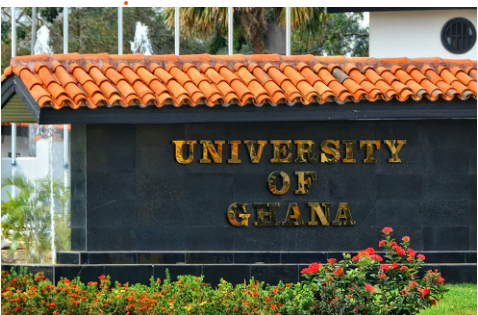
UG Reduces Proposed Hostel Fee Increase from 26% to 15% After Talks with Student Leaders
The University of Ghana has scaled back its planned hostel fee hike for the 2026/2027 academic year, cutting the proposed increase from 26 percent to 15 percent following consultations with student leaders.
Under the revised arrangement, students in standard four-bed rooms at the four UGEL Diaspora halls will pay GH¢8,050 per year, up from the current GH¢7,000. The original 26 percent proposal would have pushed the annual fee to GH¢8,820. The new 15 percent adjustment means students will pay GH¢770 less than initially planned, or an extra GH¢1,050 compared with current rates.
Official Statement and Context
In a statement dated November 19, 2026, and signed by Registrar Michael Opare Atuah, the University clarified that the change represents a reduction in the proposed rate of increase rather than a cut to existing fees. The decision comes amid rising concerns over the cost of student accommodation and follows a recent confrontation between officials of the University of Ghana Enterprises Limited (UGEL) and the Rent Control Department.

UGEL is a wholly owned subsidiary of the University responsible for commercial activities, including student accommodation. Management emphasized that UGEL-managed halls form part of the University’s residential system and operate under its governance framework, guided by the University of Ghana Act, 2010 (Act 806), and the University of Ghana Statutes, 2024.
Why Fees Are Rising
Several residential facilities were constructed using commercial loans at a time when public funding was insufficient. According to the University, accommodation fees help cover loan repayments, utility bills, maintenance, and other operating costs.
“The University does not exist to profit from its students,” Management stated. Officials said they remain committed to keeping accommodation as affordable as possible while ensuring the halls remain financially sustainable. Allowing the facilities to accumulate unsustainable debt or face closure, they warned, could leave thousands of students without safe and convenient on-campus housing.
Balancing Affordability and Sustainability
The University said it will continue working to strike a balance between students’ ability to pay and the long-term operational needs of its residential facilities. The revised 15 percent increase is presented as a compromise reached after engagement with student representatives.
The adjustment applies specifically to the UGEL Diaspora halls for the upcoming academic year. Students and parents are advised to monitor official University communications for further details on payment schedules and any additional support measures that may be introduced.
About The Author