
Over 6,000 Security Service Applicants Test Positive for Drugs
In a shocking revelation that has sparked widespread concern, more than 6,000 applicants seeking recruitment into Ghana’s security services tested positive for illicit drugs during mandatory screening the first time such comprehensive testing has been implemented at this scale.
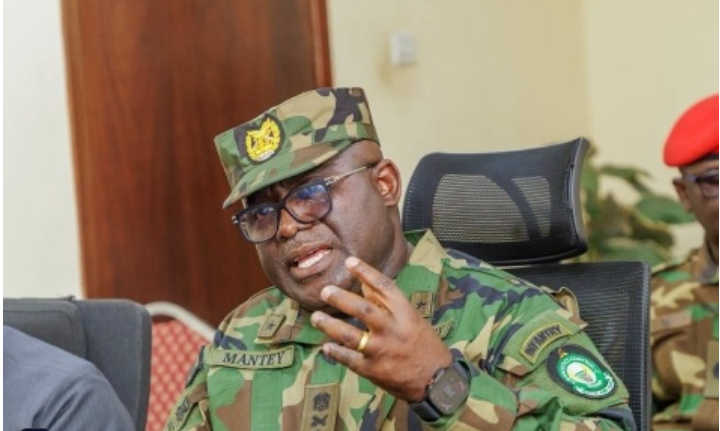
This startling figure, disclosed by the Director-General of the Narcotics Control Commission (NACOC), Brigadier General Maxwell Obuba Mantey, represents approximately 7% of all candidates screened for positions in the Ghana Police Service, Ghana Prisons Service, Ghana National Fire Service, and Ghana Ambulance Service.
The Alarming Details
The applicants tested positive for a range of substances, including:
- Cannabis
- Cocaine
- Methamphetamine
- Opiates
- Tramadol
Brig. Gen. Mantey made the disclosure during the national commemoration of the International Day Against Drug Abuse and Illicit Trafficking held in Accra on June 26, under the theme: “The World Drug Problem: Persisting Issues, New Challenges, Innovative Responses.”
He posed a critical question that resonates deeply:
“If we cannot secure the people who guard our streets, how do we secure the country?”
A National Security and Public Health Crisis
This incident is not just a recruitment failure it is a glaring symptom of a deeper societal issue. Ghana is no longer merely a transit point for drugs; it has become a destination for distribution and consumption. The rise in synthetic drugs and new psychoactive substances more potent, addictive, and difficult to detect poses an escalating threat.
According to NACOC:
- Between 2025 and April 2026, the commission recorded 2,217 arrests and 165 prosecutions.
- Over 8.5 tonnes of narcotic drugs were seized.
- 45.4 million tramadol tablets were confiscated enough to medicate every Ghanaian once and more.
Broader Context and Government Response
The Chief of Staff, Julius Debrah, emphasized a balanced approach: firm law enforcement against traffickers combined with compassion for those battling addiction. He stressed the need for prevention through education, employment, and community support.
Interior Minister Muntaka Mohammed-Mubarak called on parents, teachers, faith leaders, and traditional authorities to join the fight. The National Chief Imam, Sheikh Osman Nuhu Sharubutu, urged mothers especially to monitor their children’s upbringing and friendships.
On the operational front, the government is taking concrete steps:
- Expanding NACOC’s district commands to 77 across all 16 regions.
- Installing new body scanners at Kotoka International Airport (expected operational by August 2026).
- Establishing a modern forensic laboratory for NACOC (expected by end of September 2026).
Why This Matters
The disqualification of over 6,000 young Ghanaians from serving in security agencies highlights a troubling reality: drug abuse is robbing the nation of its future protectors. It raises serious questions about youth vulnerability, mental health, unemployment, and the influence of peer pressure and social media.
This situation demands urgent, multi-sectoral action from families and schools to government and religious bodies.
About The Author