
Double-Track System to End by 2027: Government Secures $300 Million to Upgrade 50 Senior High Schools – President Mahama
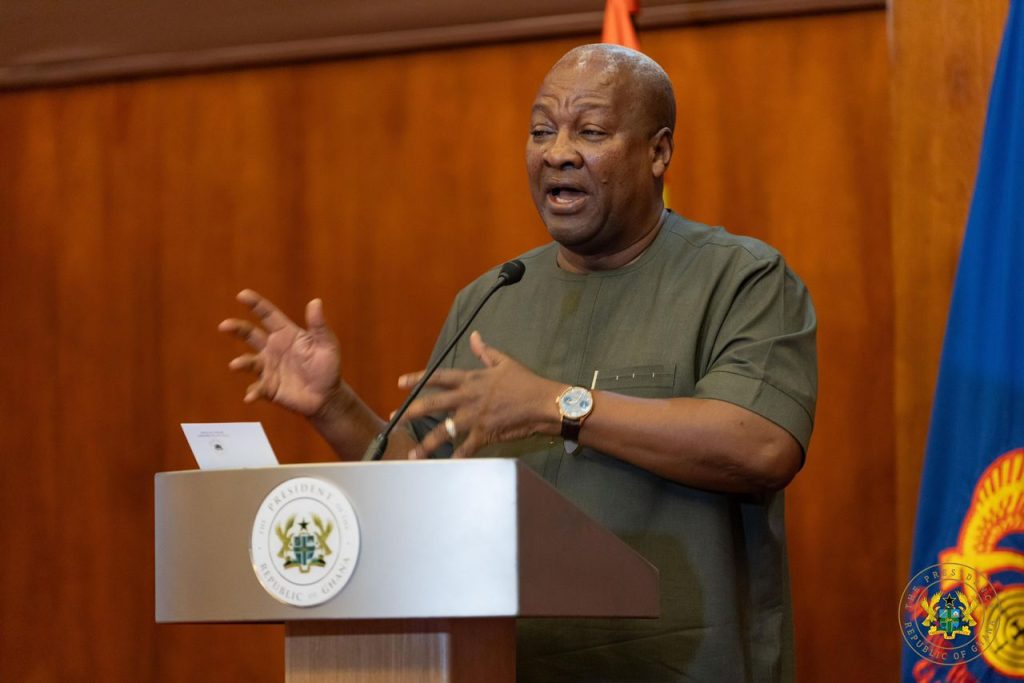
President John Dramani Mahama has announced that the double-track system in Senior High Schools (SHS) will be fully phased out by 2027.
As part of this ambitious plan, the government has secured a US$300 million facility from the World Bank to upgrade infrastructure in 50 selected Senior High Schools across the country.
Project Details: STARR-J Initiative
The initiative is known as the Transformative Secondary Education for Access, Results and Relevance for Jobs (STARR-J) project.
Under this project:
- 30 Category C schools will be upgraded to Category B
- 20 Category B schools will be elevated to Category A
The upgrades aim to expand capacity, improve facilities, and create a more equitable and high-quality secondary education system.
President Mahama’s Announcement
Speaking at the commissioning of the Positron Emission Tomography (PET) Scan facility at the Swedish Ghana Medical Centre in Accra, President Mahama stated:
“By 2027, there should be no secondary school implementing a double-track system in Ghana.”
He explained that the STARR-J project will lay the foundation for a more inclusive, resilient, and future-ready secondary education system.
Additional Benefits and Plans
Beyond infrastructure upgrades, the initiative includes:
- Construction of new community day senior high schools in urban and peri-urban areas to ease pressure on boarding schools.
- Continuous professional development for all SHS teachers, focusing on 21st-century skills such as:
- Digital literacy
- Critical thinking
- Innovative teaching methods
- Artificial Intelligence integration
- Learner-centred approaches
- Strong emphasis on Technical and Vocational Education and Training (TVET) to align education with industry needs.
President Mahama noted that ending the double-track system will also give teachers more time to rest and adequately prepare teaching and learning materials.
Why This Matters
The double-track system was introduced in 2017 under the previous administration to accommodate the surge in enrolment following the introduction of the Free SHS policy. While it helped expand access, it has faced criticism over its impact on teaching quality, student fatigue, and pressure on school facilities.
This $300 million investment signals a major government commitment to resolving infrastructure deficits and restoring a single-track academic calendar by 2027.
About The Author