
GTEC Directs University of Ghana to Reverse 2025/2026 Fee Increases
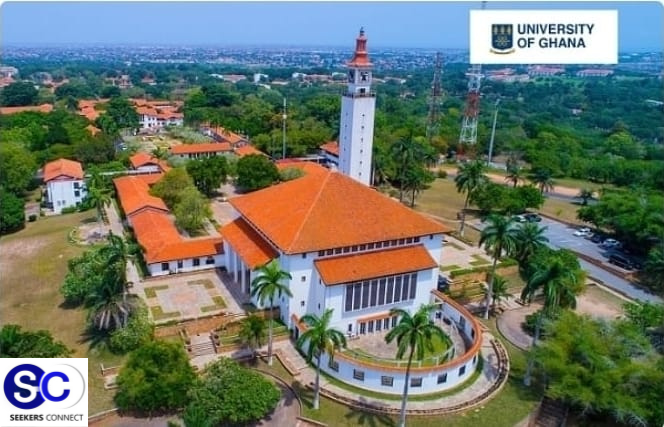
In a significant development for Ghana’s higher education sector, the Ghana Tertiary Education Commission (GTEC) has issued a stern directive to the University of Ghana (UG) to immediately reverse its recent fee increases for the 2025/2026 academic year. This move comes after widespread student outrage over hikes exceeding 25% in some cases, highlighting ongoing tensions between university administrations, regulatory bodies, and students grappling with economic pressures. As a student or parent navigating the complexities of tertiary education in Ghana, this story underscores the importance of transparency and adherence to legal processes in fee adjustments. Let’s dive into the details, background, and implications of this decision.
Follow us on WhatsApp for more updates: CLICK HERE
Seekers Consult
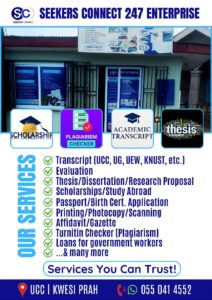
Contact Us for Your Study Abroad Journey
We search for schools and check available scholarships for you
Contact: 0550414552 / 0362297079
Loan for government workers
Transcript Application
English Proficiency
Recommendation letter
Project work/thesis for undergraduate, master’s, and PhD students.
Apply for Affidavit, Gazette instantly
Passport and Visa Applications
All other Internet Services
The Directive: What GTEC is Demanding
On January 5, 2026 GTEC sent a letter to UG’s Vice Chancellor, demanding a full rollback of the fee increases. The commission emphasized that publicly funded universities cannot unilaterally review student fees without following proper procedures, including obtaining Parliamentary approval as required by the Fees and Charges Act.
Key actions outlined in the letter include:
- Immediate Reversal: UG must reverse all fee increases and dues right away.
- Credits for Continuing Students: Any overpayments by continuing students compared to the 2024/2025 fees should be credited toward the next academic year.
- Refunds for Final-Year Students: Final-year students who paid excess amounts must receive refunds for the difference.
- Reversion of Dues: All dues, such as those from the Students’ Representative Council (SRC) and the Graduate Students’ Association of Ghana (GRASSAG), must revert to last year’s rates.
- Suspension of New Fees: Any newly introduced charges, like the 75th Anniversary dues or Development Levy, must be suspended unless they were already in place during the previous year. All fees must be reset to 2024/2025 levels.
GTEC has given UG until January 12, 2026, to provide evidence of compliance, warning of “serious regulatory sanctions” if the university fails to act. The letter was copied to high-level stakeholders, including the Minister of Education, the Deputy Minister, the Chairman of the Parliamentary Select Committee on Education, the Chairman of Vice Chancellors Ghana (VCG), and UG’s Director of Internal Audit, signaling the commission’s intent to enforce accountability.
This isn’t GTEC’s first intervention. Back in November 2025, the commission issued a broader circular to all public tertiary institutions, reminding them not to charge new fees without Parliamentary approval. That earlier directive noted a history of institutions reviewing fees without proper procedures, leading to “implementation difficulties.” It urged Vice Chancellors to maintain current fees until revisions are formally approved, aligning with GTEC’s mandate to promote efficient tertiary education operations.
What happened ?
The controversy erupted last week when UG released its provisional fee schedule for the 2025/2026 academic year, revealing increases averaging over 25% across colleges. Students quickly voiced their discontent, describing the hikes as burdensome amid Ghana’s economic challenges, including inflation and rising living costs.
Specific examples from the fee schedules illustrate the scale:
- College of Humanities: Level 100 freshmen faced a 34% jump from GH¢2,319 to GH¢3,110. Continuing students saw a 27% rise from GH¢1,777 to GH¢2,253.
- School of Law (under Humanities): Incoming students’ fees increased 33% from GH¢2,435 to GH¢3,226, while continuing students paid GH¢2,396 (up from GH¢1,890).
- Other Colleges: Health Sciences, Basic and Applied Sciences, and Education experienced hikes between 25% and 35%.
A major driver of these increases was third-party levies, which more than doubled for freshmen from GH¢255 to GH¢767 and rose to GH¢455 for continuing students. These included:
| Levy Type | Amount (Freshmen) | Amount (Continuing) |
|---|---|---|
| SRC Hostel Development Levy | GH¢300 | GH¢300 |
| 75th Anniversary Legacy Project | GH¢100 | GH¢100 |
| Telecel Data Package (Freshers only) | GH¢312 | N/A |
| SRC Welfare Dues | GH¢50 | GH¢50 |
| Reprographic Fees | GH¢5 | GH¢5 |
UG’s management responded by clarifying that the hikes were primarily due to these student-imposed third-party charges, not direct university decisions. However, this explanation did little to quell the backlash. Student groups demanded justifications, prior consultations, and transparency, arguing that the lack of notice could exclude vulnerable students from accessing education. Some even called for a national dialogue on affordable education.
GTEC’s involvement escalated after reports of the hikes, with the commission expressing concern and ordering investigations. This aligns with earlier warnings from the Education Minister in November 2025, who directed GTEC to halt unauthorized fee increases across universities.
Implications for Students and the Education Sector
For UG students, this directive is a potential relief. Continuing students could see credits applied to future payments, while final-year students might receive direct refunds easing immediate financial strains. However, the short compliance deadline (January 12, 2026) means UG must act swiftly, and students should monitor official channels for updates.
On a broader scale, this incident exposes systemic issues in Ghana’s tertiary education funding. Public universities often cite rising operational costs, but GTEC’s stance reinforces that changes must go through Parliament to ensure equity and prevent arbitrary hikes. It also highlights the role of student bodies in fee structures, as third-party levies were a flashpoint here.
Critics argue that while reversals protect students short-term, sustainable solutions like increased government funding or scholarships are needed to address root causes. In 2025, similar concerns led to warnings against “unreasonable” increments, suggesting this could be a recurring challenge.
Compliance and Accountability
As UG prepares its response, all eyes are on whether the university will comply fully or face sanctions. Students are encouraged to check the official UG website for fee schedules and announcements. If you’re affected, reach out to your SRC or GRASSAG representatives for support.
This event serves as a reminder of the delicate balance between institutional autonomy and regulatory oversight in Ghana’s education system. By prioritizing compliance, GTEC is championing accessible education a step toward a more equitable future for Ghanaian youth. Stay tuned for updates as this story develops.
Follow us on WhatsApp for more updates: CLICK HERE
Seekers Consult
Contact Us for Your Study Abroad Journey
We search for schools and check available scholarships for you
Contact: 0550414552 / 0362297079
Loan for government workers
Transcript Application
English Proficiency
Recommendation letter
Project work/thesis for undergraduate, master’s, and PhD students.
Apply for Affidavit, Gazette instantly
Passport and Visa Applications
All other Internet Services
About The Author