
Education Minister Directs GTEC to Withdraw Letters on Post-Retirement Contracts for University Lecturers
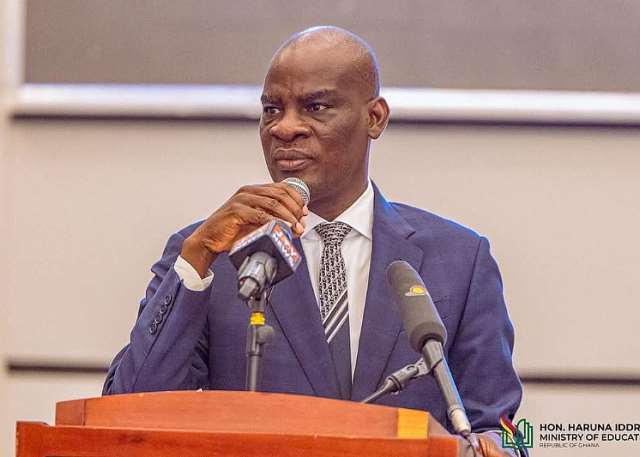
Accra, April 27, 2026. In a significant development within Ghana’s tertiary education sector, the Minister for Education, Haruna Iddrisu, has directed the Ghana Tertiary Education Commission (GTEC) to immediately withdraw two previous letters concerning post-retirement contracts for academic senior members of public universities.
The directive targets letters dated September 30, 2025, and October 1, 2025, which had addressed the engagement of retired academic staff on contract in public universities.

Background and Trigger for the Directive
The decision comes after a high-level meeting between the Education Minister and the leadership of the University Teachers Association of Ghana (UTAG). The withdrawal is described as a temporary measure to allow for broader and more inclusive consultations on the sensitive issue of post-retirement contracts.
According to a press statement issued by the Ministry and signed by Hashmin Mohammed, Press Secretary to the Honourable Minister for Education, the move aims to ensure that any final policy direction enjoys broad consensus, promotes institutional sustainability, and serves the best interests of Ghana’s tertiary education sector.
The full press statement reads:
PRESS STATEMENT FOR IMMEDIATE RELEASE EDUCATION MINISTER DIRECTS GTEC TO WITHDRAW LETTERS ON POST-RETIREMENT CONTRACTS
- The Honourable Minister for Education has directed the Ghana Tertiary Education Commission (GTEC) to immediately withdraw its letters dated September 30 and October 1, 2025, concerning the post-retirement contracts of Academic Senior Members of public universities.
- This directive follows a meeting between the Honourable Minister for Education and the leadership of the University Teachers Association of Ghana (UTAG).
- The decision has been taken pending further consultations with relevant stakeholders to ensure that any policy direction in this regard reflects broad consensus, promotes institutional sustainability, and serves the best interests of Ghana’s tertiary education sector.
- The Ministry of Education remains committed to a transparent, inclusive, and consultative approach in addressing matters affecting the higher education landscape.
Signed by: Hashmin Mohammed Press Secretary to the Hon. Minister for Education
Why Post-Retirement Contracts Matter in Ghanaian Universities
Post-retirement contracts allow experienced retired lecturers and professors to continue contributing to teaching, research, and mentorship in public universities. These arrangements are often critical in fields where there is a shortage of senior academic expertise.
However, such contracts have sometimes generated debates around age limits, succession planning, cost to the public purse, and the need to create opportunities for younger academics. The GTEC letters in late 2025 apparently sought to regulate or restrict these engagements, prompting concerns from UTAG.
By directing the withdrawal of the letters, the Minister is effectively pausing the implementation of those guidelines to allow for more dialogue.
Ministry’s Commitment to Consultation
The Ministry of Education has reiterated its dedication to transparency, inclusivity, and stakeholder engagement when dealing with issues that affect the higher education landscape. This latest move is being viewed as a responsive and conciliatory step toward resolving tensions between regulatory bodies and university teachers.
Further consultations are expected to involve key stakeholders, including university management, UTAG, GTEC, and possibly other relevant bodies, to craft a sustainable policy framework.
Implications for Universities and Lecturers
- For Retired Academics: Existing or pending post-retirement contracts may remain unaffected in the short term while consultations continue.
- For Universities: Institutions can maintain operational stability as they await clearer policy direction on staff retention and knowledge transfer.
- For Younger Lecturers: The process is expected to balance the need for experienced faculty with opportunities for career progression.
This development occurs at a time when Ghana’s public universities are navigating challenges such as funding, infrastructure, research output, and maintaining academic quality amid growing student populations.
Reactions and Next Steps
While specific reactions from UTAG were not detailed in the initial statement, the meeting with the Minister suggests that the association’s concerns were taken seriously. Education watchers anticipate that the upcoming consultations will address long-standing issues around retirement age, contract extensions, and the overall human resource strategy for tertiary institutions.
The Ministry has not yet provided a specific timeline for the conclusion of consultations or the release of a new policy framework.
What This Means for Ghana’s Tertiary Education
The Education Minister’s directive underscores a key principle: policies affecting the backbone of higher education its lecturers must be developed through genuine dialogue rather than top-down directives. Experience and institutional memory are valuable, but so is creating space for the next generation of scholars.
As consultations begin, all stakeholders are urged to prioritize the long-term health and competitiveness of Ghana’s universities.
About The Author