
Education Minister Orders Two-Year Ban on Students Who Attempt BECE Prematurely
The Ghanaian government is cracking down on students who try to sit the Basic Education Certificate Examination (BECE) ahead of schedule. Education Minister Haruna Iddrisu has directed the Ghana Education Service (GES) to impose a two-year ban on any pupil who skips Junior High School Form Two (JHS 2) and attempts the national exam early.
Why the Ban?
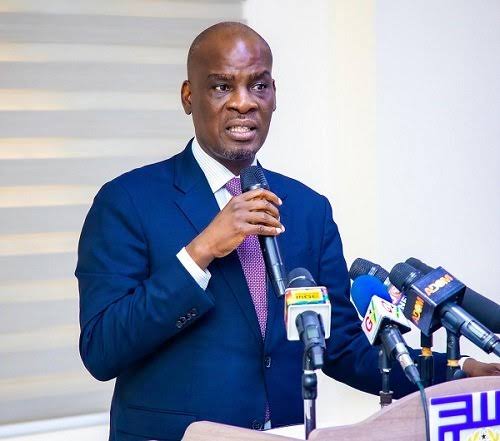
Speaking at this year’s Education Week celebration in Accra, the minister described the growing practice as unacceptable. Some JHS 2 students have been advancing themselves to JHS 3 prematurely so they can register for and write the BECE. Iddrisu said the new rule is part of broader efforts to enforce discipline and ensure pupils complete the approved academic progression before taking the national examination.
He instructed the Director-General of the GES to communicate the directive immediately to all regional directors and school heads. Under the policy, any basic school student who graduates themselves from JHS 2 to JHS 3 earlier than expected will be barred from writing the BECE for two years.
“One of the sweeping reforms is that any Ghanaian child who skips Form Two to write BECE will be banned for two years,” the minister stated. He made it clear that the measure applies nationwide and is intended to protect the integrity of the examination system.
Additional Announcements at Education Week
While the premature-BECE ban was the headline directive, Iddrisu also addressed other education-sector issues during the event.
Teacher recruitment: He dismissed concerns about the government’s capacity to hire more teachers. According to the minister, the 2027 Budget contains adequate provision for recruitment across the education sector, including 10,000 opportunities for teachers and non-teaching staff as well as academic personnel for universities and other higher-education institutions.
PhD audit: The minister publicly backed the Ghana Tertiary Education Commission’s (GTEC) proposed audit of PhD admissions and qualifications. He argued that Ghana needs quality rather than mere quantity of doctoral holders and that the exercise would help verify who is being trained, where, in which fields, and how that training aligns with national professional objectives. His support came amid criticism of GTEC Director-General Professor Ahmed Jinapor over the planned audit.
Education Week Focus: Artificial Intelligence
This year’s celebration was held under the theme “Harnessing Artificial Intelligence for Inclusive and Transformative Education in Ghana.” Speakers, including Deputy Education Minister Dr Clement Apaak, highlighted AI’s potential to improve access, teaching methods, and inclusive learning. Stakeholders used the platform to discuss policy reforms, technological innovation, and strategies for strengthening education delivery nationwide.
What This Means Going Forward
The two-year ban signals a firmer stance against shortcuts in the basic education system. School heads and regional directors are expected to enforce the rule immediately. Parents and students should note that attempting to sit the BECE before completing the full JHS programme now carries a clear and significant penalty.
The announcements also reaffirm the government’s stated commitments on teacher recruitment and academic quality assurance at the tertiary level, while positioning artificial intelligence as a central focus for the sector’s future development.
About The Author