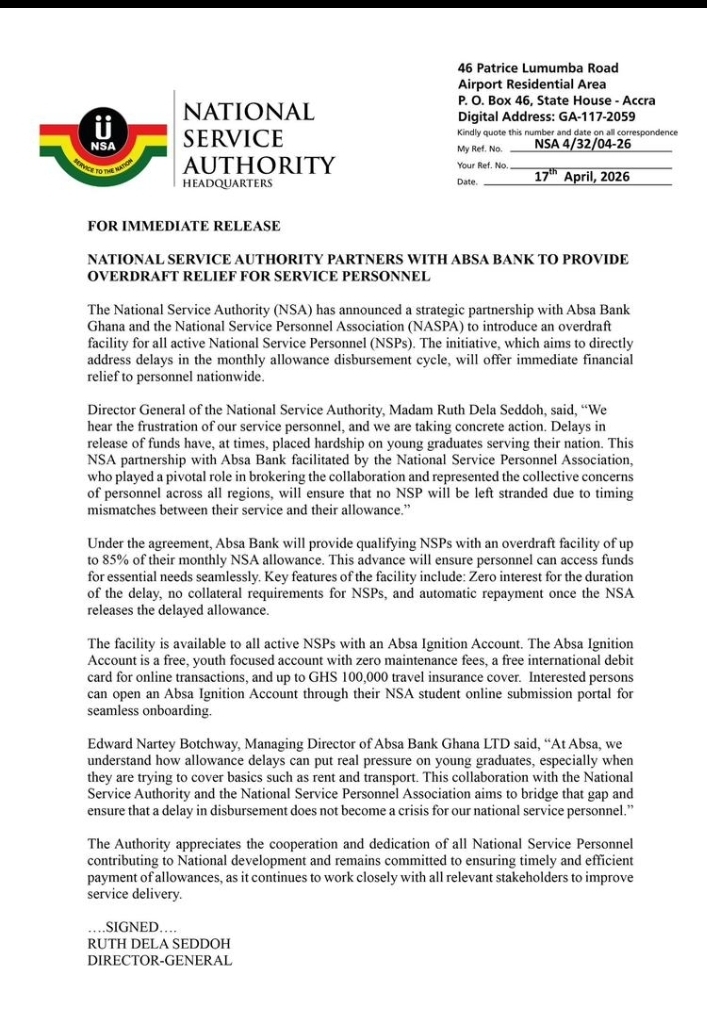


2026 BECE: GES Receives Over 500 Anonymous Complaints After Day One, Vows Strict Action
The first day of the 2026 Basic Education Certificate Examination (BECE) concluded on Monday, May 4, but behind the scenes, the Ghana Education Service (GES) was flooded with reports. According to the GES, it received approximately 500 anonymous complaints in connection with the examination’s opening day.
This significant volume of incoming reports paints a picture of a public that is actively engaged in safeguarding the integrity of the national exam. Here is a breakdown of what the complaints mean, how the GES is responding, and what candidates and parents must know moving forward.
The Complaints: A Community Watch System
Speaking on Adom TV’s Big Agenda on Tuesday, GES Public Relations Officer Daniel Fenyi provided details on this development. He explained that the complaints were submitted through dedicated and confidential channels specifically set up by the GES and the West African Examinations Council (WAEC) for the public to report suspected examination malpractices.
The fact that the complaints are anonymous highlights a key feature of this monitoring system: it is designed to protect whistleblowers. Mr. Fenyi assured the public that the identity of anyone who submits a complaint will remain strictly confidential.
“Those sending the complaints are helping to make the work easy and the identity of all the complainants will not be made public,” he stressed.
This active public participation is a powerful force multiplier for exam monitors. With over 620,000 candidates in more than 20,000 schools, no single agency can watch every corner. The nearly 500 tips whether about unauthorized material in an exam hall, teacher collusion, or impersonation give authorities the leads they need to investigate specific centers.
Investigation and Disciplinary Action
The GES PRO made it clear that the reports are not just being collected; they are being acted upon. All submissions are currently under review. The process is evidence-based:
“Where evidence is established, appropriate disciplinary action will be taken against those found culpable,” Mr. Fenyi stated.
This means that if an investigation confirms malpractice, the consequences will follow according to WAEC’s rules and the GES code of conduct. Possibilities include cancellation of a candidate’s results, a ban from future WAEC examinations, and for teachers or invigilators, severe sanctions including dismissal and potential legal prosecution.
Key Reminders from the GES
In the wake of this massive reporting, Mr. Fenyi used the platform to reaffirm several critical rules that protect students:
No Candidate Can Be Barred
One of the most pointed reminders from the GES is that no individual or institution has the authority to prevent any candidate from sitting for the BECE. Parents, guardians, head teachers, or school authorities cannot stop a student from writing the exams even over unpaid fees or other administrative challenges. The only legitimate reason a candidate can be turned away is if WAEC rules specifically deem them ineligible, which is a high and rarely-met bar.
Pregnancy and Lactation Are Not Disqualifications
In line with Ghana’s inclusive education policy, Mr. Fenyi explicitly stated that conditions such as pregnancy or lactation do not disqualify a candidate. Any attempt by a school official to use these natural conditions as a basis for barring a girl from the examination hall is illegal and should be reported immediately.
A Call for Continued Vigilance
The public has been a crucial ally in the fight against examination fraud, and the GES is asking for sustained collaboration. The channels remain open throughout the examination period, which runs until May 11.
Any person with information regarding any form of examination irregularity is encouraged to report it through the official hotlines:
-
0201360789
-
02013602081
These numbers are actively monitored. The message from the GES is clear: if you see something, say something confidentially and safely.
About The Author