
Outcome of Emergency Cabinet Session on Fuel Prices in Ghana: What It Means for Citizens
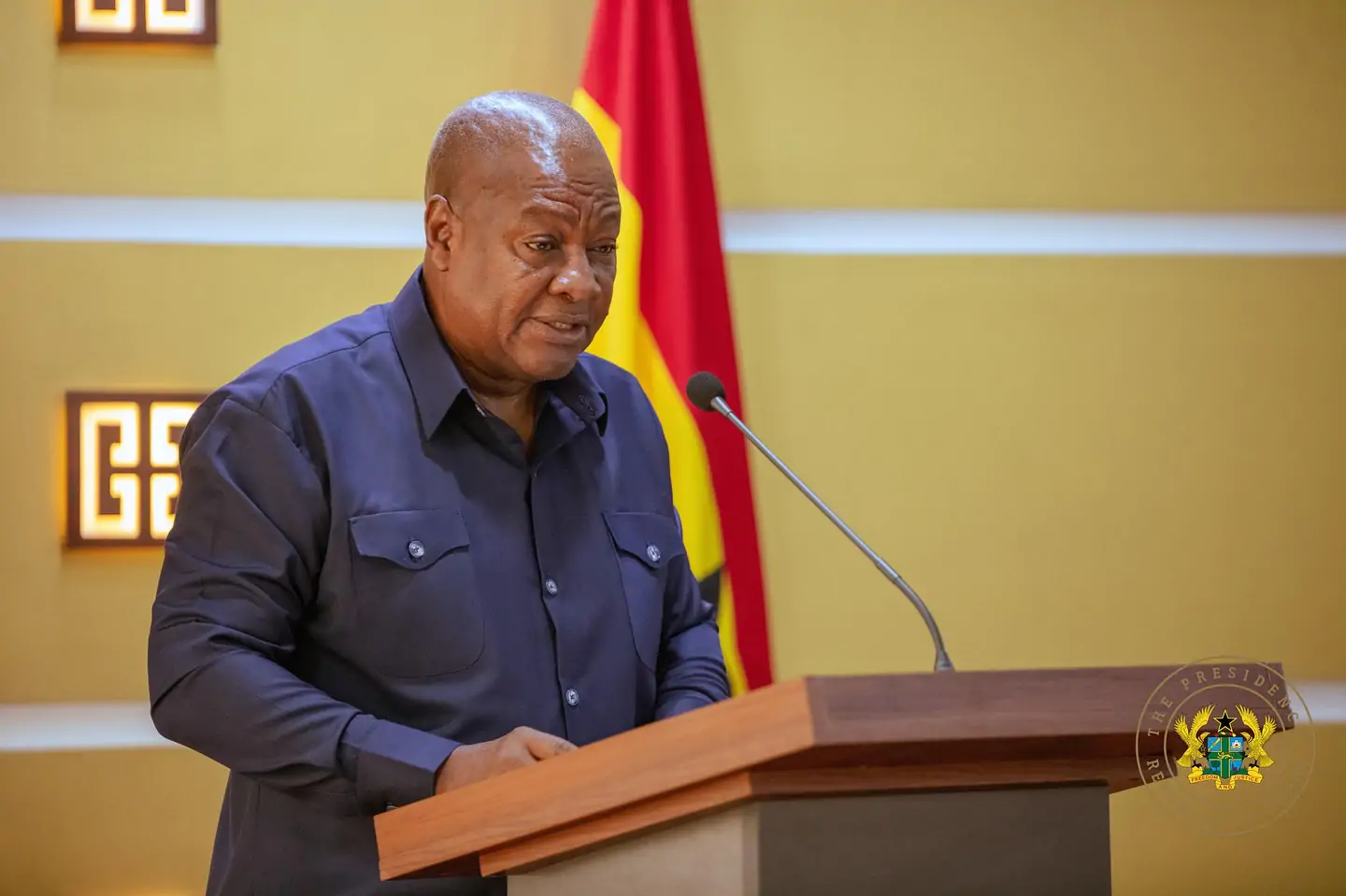
Ghana is grappling with a fresh spike in fuel prices, driven by volatile global crude oil markets and escalating geopolitical tensions in the Middle East, particularly conflicts involving Iran and broader regional instability. In a decisive response, President John Dramani Mahama chaired an emergency Cabinet meeting on Thursday, April 9, 2026, to tackle the crisis head-on. The high-level session aimed to stabilize petroleum prices, ease the burden on households and businesses, and prevent wider economic fallout from higher transport costs, food inflation, and living expenses.
This proactive intervention comes after fuel prices surged significantly from April 1, 2026, with petrol climbing to around GH¢13.30 per litre and diesel seeing even steeper increases. Transport operators had issued ultimatums and begun adjusting fares, heightening public anxiety. Below is a detailed breakdown of the key outcomes from the emergency session, based on official directives and their implications for ordinary Ghanaians.
Why the Emergency Cabinet Meeting Was Held
President Mahama first announced the emergency meeting on April 4, 2026, during the Kwahu Business Forum. He attributed the price hikes directly to global oil market disruptions from Middle East tensions and emphasized the need for swift domestic measures to cushion citizens while hoping for de-escalation abroad.
The government recognized that unchecked rises would trigger cascading effects: higher tro-tro and taxi fares, elevated food transportation costs, and increased pressure on businesses. Transport unions like the GPRTU had warned of impending fare hikes and were awaiting the Cabinet’s decisions before finalizing adjustments.
1. Suspension of Fuel Taxes and Margins – Immediate Price Relief
One of the most impactful decisions was a directive to the Ministers of Finance and Energy to implement reductions in the next pricing window. Key highlights include:
- Suspension of certain taxes and margins on fuel products.
- Specific affected taxes and levies to be detailed in the upcoming pricing announcement.
- Initial duration of the policy: four weeks, subject to review based on global crude oil trends and Middle East developments.
This temporary relief targets the fuel price build-up structure, including margins and levies, without compromising long-term fiscal stability. President Mahama had earlier signaled that adjustments in these areas were under active consideration to keep pump prices relatively stable.
Contact Us for Your Study Abroad Journey
We search for schools and check available scholarships for you
Contact: 0550414552 / 0362297079

Loan for government workers
Transcript Application
English Proficiency
Recommendation letter
Project work/thesis for undergraduate, master’s, and PhD students.
Apply for Affidavit, Gazette instantly
Passport and Visa Applications
All other Internet Services
What this means for citizens:
Expect noticeable drops in petrol and diesel prices at the pump within days. Households will see lower costs for commuting and goods transportation, while businesses especially in logistics and manufacturing gain breathing room to avoid passing on full cost increases.
2. Deployment of Metro Mass Transit Buses to Control Fares
To directly address transport sector pressures, the Cabinet instructed the Minister for Transport to accelerate the rollout of new Metro Mass Transit (MMT) buses:
- Fast-track deployment of 100 newly acquired buses.
- Integrate them into high-traffic routes alongside existing fleets.
- Maintain lower fares on these state-operated buses compared to private operators.
This builds on ongoing fleet expansion efforts, including recent arrivals of diesel-powered vehicles, and aims to increase affordable public transport options amid private fare hike threats.
What this means for citizens:
Commuters in Accra and other major cities can look forward to more seats at controlled, subsidized rates. This should help moderate nationwide fare adjustments by private operators and ease pressure from unions monitoring the Cabinet outcome.
3. Cancellation of Fuel Allocations for Government Officials – Leadership by Example
In a symbolic and practical show of solidarity, the Cabinet reinforced the President’s earlier directive on fiscal discipline:
- All Ministers, senior government appointees, and political office holders must immediately cancel fuel allocations and allowances.
- Strict compliance is mandatory.
This measure, originally initiated in 2025 as part of broader cost-cutting, underscores the government’s commitment to reducing public expenditure during hardship.
What this means for citizens:
It signals accountability at the top. Savings from these cuts can be redirected toward public relief, while promoting a culture of prudence among officials.
Implications for the Ghanaian Economy
Short-term benefits:
- Lower pump prices and stabilized transport fares will provide instant relief to households already strained by the cost of living.
- Businesses avoid immediate shutdown risks or price spirals in essential goods.
- Reduced pressure on transport unions helps prevent widespread disruptions.
Long-term considerations:
- Temporary tax suspensions may affect short-term government revenue, requiring careful monitoring to protect the 2026 budget.
- The policy’s success hinges on global oil prices and Middle East stability—any prolonged conflict could necessitate further reviews.
- It highlights the need for sustainable strategies, such as boosting local refining capacity and diversifying energy sources, to reduce reliance on imported crude volatility.
Experts note that while these interventions offer a buffer, structural reforms remain essential for long-term energy security.
Conclusion
The outcome of the April 9, 2026, emergency Cabinet session demonstrates a government acting with urgency and empathy in the face of external shocks. By suspending select fuel taxes, accelerating affordable public transport, and enforcing internal cost discipline, President Mahama’s administration is delivering tangible short-term relief while keeping an eye on fiscal responsibility.
Ghanaians can anticipate some easing in daily expenses particularly transport and indirect food costs as these measures roll out in the coming days. However, the situation remains fluid and tied to unpredictable global events.

About The Author