
Ghana Launches Free Primary Healthcare: Only National ID Required – No Fees at Point of Service
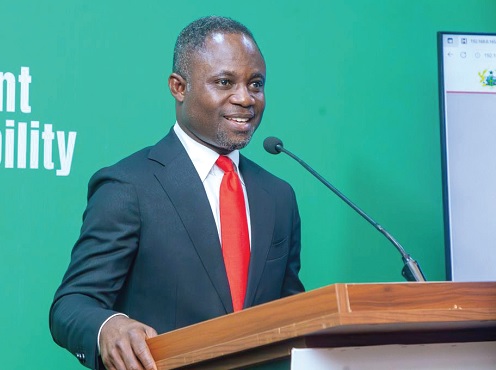
In a major boost to healthcare access in Ghana, the Minister of Health, Kwabena Mintah Akandoh, has announced the rollout of a new Free Primary Healthcare programme. Under this initiative, Ghanaians can access essential preventive, promotive, and curative services at no cost with the only requirement being a valid national ID card.
Key Highlights of the Free Primary Healthcare Policy
- No Fees, No Hidden Charges: “It is important to emphasise that there will be no cost for preventive, promotive, as well as curative services within the Free Primary Health Care service package. The only requirement is a valid national ID.”
- What You Need: A valid Ghana Card, voter ID, or NHIS card (as proof of Ghanaian citizenship). No payment is required at the point of service.
- Where Services Will Be Available:
- CHPS compounds
- Health centres
- Polyclinics
- Selected district hospitals (for basic primary care) Services will also extend through community outreach, home visits, and school-based health programmes.
Contact Us for Your Study Abroad Journey
We search for schools and check available scholarships for you
Contact: 0550414552 / 0362297079

Loan for government workers
Transcript Application
English Proficiency
Recommendation letter
Project work/thesis for undergraduate, master’s, and PhD students.
Apply for Affidavit, Gazette instantly
Passport and Visa Applications
All other Internet Services
Services Covered Under the Free Package
The programme focuses on strengthening primary healthcare as the foundation of Ghana’s health system. It includes:
- Routine screenings for hypertension, diabetes, obesity, certain cancers, and mental health
- Maternal and child healthcare
- Immunisations and growth monitoring
- Treatment for common illnesses such as malaria and respiratory infections
- Basic emergency care and referral services
The emphasis is on prevention and early detection rather than treating advanced diseases, which is more cost-effective and improves health outcomes.
Phased Implementation Plan
The Free Primary Healthcare programme will be rolled out in phases between 2026 and 2028:
- Phase 1: Starts in 150 selected districts, with priority given to underserved and hard-to-reach communities.
- Subsequent Phases: Gradual nationwide expansion.
The government has already procured over 24,000 pieces of medical equipment, including incubators, glucometers, hospital beds, and ultrasound machines, to support effective delivery.
Link to NHIS and Universal Health Coverage
While primary healthcare services will be completely free, the Minister noted that patients referred to higher-level facilities will still need a valid NHIS card for secondary and tertiary care.
Efforts are underway to enrol more uninsured individuals onto the National Health Insurance Scheme (NHIS) so they can access comprehensive care when needed. Ghana currently has about 56% NHIS coverage, with a national target of 80% by 2030.
Why This Policy Matters
Many Ghanaians, especially in rural and low-income communities, still pay out-of-pocket for basic healthcare. This often leads to:
- Delayed treatment
- Self-medication
- Worsening of preventable conditions
- Increased “no-bed syndrome” at higher facilities
Contact Us for Your Study Abroad Journey
We search for schools and check available scholarships for you
Contact: 0550414552 / 0362297079
Loan for government workers
Transcript Application
English Proficiency
Recommendation letter
Project work/thesis for undergraduate, master’s, and PhD students.
Apply for Affidavit, Gazette instantly
Passport and Visa Applications
All other Internet Services
By removing financial barriers at the primary level, the government aims to encourage early healthcare-seeking behaviour, reduce the burden on hospitals, and move closer to Universal Health Coverage (UHC).
Expected Impact on Ghanaians
- Ordinary Citizens: Easier and cheaper access to basic care just show your ID and get screened or treated.
- Vulnerable Groups: Pregnant women, children, the elderly, and rural dwellers stand to benefit significantly from outreach programmes.
- Overall Health System: Stronger focus on prevention could lower long-term healthcare costs and improve life expectancy.
What Remains the Same
- Advanced or specialist care beyond primary level still requires NHIS registration.
- The policy does not replace the NHIS but complements it by making the first point of contact completely free.
Looking Ahead
This initiative builds on earlier promises by the Minister to make primary healthcare free and strengthens the Community-based Health Planning and Services (CHPS) programme.
Health stakeholders and the public will be watching closely as the first 150 districts begin implementation in the coming months.
What do you think? Will this policy significantly improve healthcare access in Ghana, or are there challenges (such as funding sustainability, infrastructure gaps, or staff shortages) that need urgent attention?
About The Author